Feature Progressive Muscular Dystrophies (PMD)Myotonic Syndromes (MyD) Mitochondrial Myopathies (Mito)Primary Defect Muscle protein gene defect (e.g., Dystrophin) Trinucleotide repeat expansion Mitochondrial DNA/nDNA gene defect Inheritance X-linked (DMD /BMD ), Autosomal Autosomal Dominant Maternal (mtDNA), Autosomal (nDNA) Weakness Pattern Proximal > Distal Distal > Proximal (DM1); Proximal (DM2) Proximal, exercise intolerance Myotonia Absent Present (grip, percussion)Absent Key Biopsy Necrosis, fat/fibrous infiltration Central nuclei, Type 1 atrophy (DM1) Ragged Red Fibers Systemic (Key) Cardiomyopathy, respiratory failure Multisystem (cataracts , cardiac, endocrine)Multisystem (CNS, eye, ear, lactic acidosis)CK Markedly High Mild-Mod High Normal or Mild High Buzzwords Gower sign, calf pseudohypertrophy ”Can’t let go,” hatchet face, anticipation Ragged red fibers, maternal inheritance
Etiology
Autosomal dominant inheritenceExpanded CUG repeats in mRNA → sequestration of MBNL1 (muscleblind-like protein) → abnormal alternative splicing of multiple genes including chloride channel (CLCN1) and insulin receptor → abnormal sarcolemmal ion channel function (chloride or sodium) → repetitive muscle fiber action potentials after voluntary contraction or percussion
Clinical features
Skeletal Muscle :
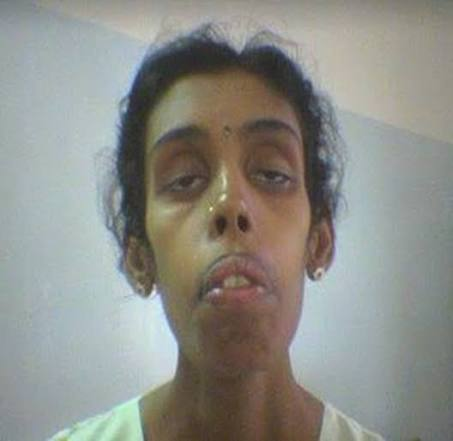
Myotonia : Delayed muscle relaxation after contraction (grip myotonia [inability to release hand after handshake], percussion myotonia [sustained contraction of thenar eminence]).Muscle weakness & wasting : Distal > proximal (foot drop, weak hand grip), ptosis, temporal wasting, facial diplegia (“hatchet facies” ).
Systemic / Extramuscular Manifestations :
Ocular : Early-onset cataracts (stellate or polychromatic cataracts, often by age <50).Cardiac : Conduction abnormalities (1st-degree AV block, bundle branch block, sudden cardiac death).Endocrine : Primary hypogonadism (testicular atrophy , infertility, erectile dysfunction), insulin resistance/DM2 , premature frontal balding (alopecia).CNS/Sleep : Excessive daytime sleepiness (EDS) , cognitive impairment, executive dysfunction, central and obstructive sleep apnea (OSA).GI : Dysphagia (pharyngeal and upper esophageal muscle weakness), pseudo-obstruction, cholelithiasis.