Overview


  • Description: normocytic, normochromic anemia characterized by a severe reduction in circulating reticulocytes and marked reduction or absence of erythroid precursors in the bone marrow
  • Pathophysiology: thought to be related to abnormal T-cell function and IgG antibodies that target erythroblasts and erythropoietin
  • Diagnostics
    • Low reticulocyte count
    • Bone marrow biopsy shows marked reduction or absence of erythroid precursors.
  • Treatment
    • Treatment of the underlying cause (e.g., cessation of possible offending agents, thymectomy)
    • Red blood cell transfusion for symptomatic patients
    • Immunosuppressive and/or cytotoxic agents (e.g., glucocorticoids, cyclosporine, cyclophosphamide)

Diamond-Blackfan anemia

  • Pathophysiology: Congenital pure red cell aplasia (PRCA) due to ribosomal defect (e.g., RPS19 mutation) causing accelerated erythroid apoptosis; presents at age &lt 1 yr (peak 2–6 mos). c
  • Clinical Presentation:
    • Severe Anemia: Pallor, lethargy, poor feeding, FTT, systolic flow murmur.
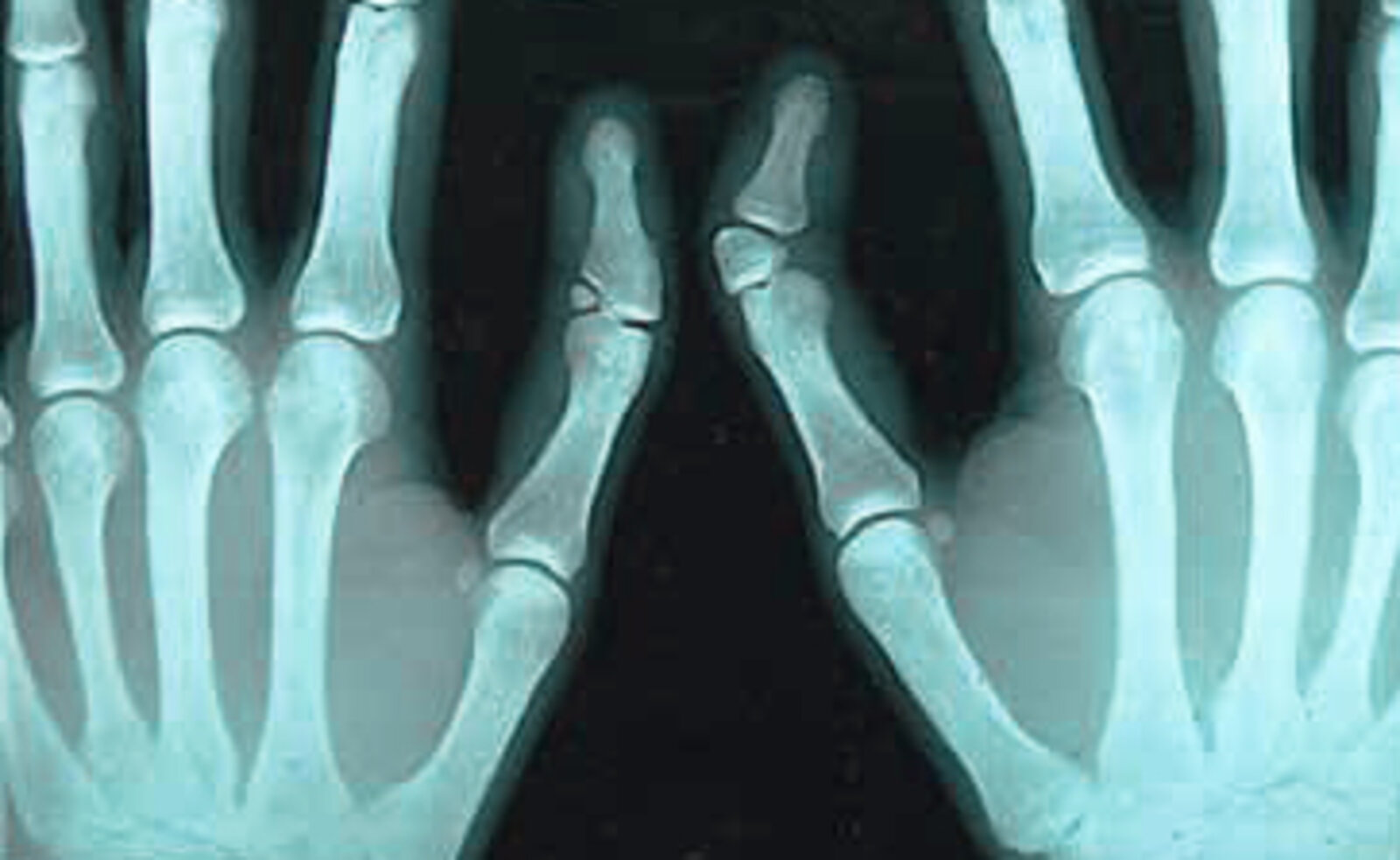
    • Congenital Anomalies (~50%): Triphalangeal/bifid thumbs, cleft lip/palate, micrognathia, hypertelorism, webbed neck, short stature.
  • Diagnosis:
    • Initial (CBC): Severe macrocytic anemia (↑ MCV) with reticulocytopenia (<1%); normal WBC and platelet counts.
    • Key Biomarkers: ↑ Erythrocyte Adenosine Deaminase (eADA) (high-yield discriminator) and ↑ HbF.
    • Confirmatory (BM Biopsy): Isolated erythroid hypoplasia (normal myeloid & megakaryocyte lineages); confirmed by genetic panel.
  • Key Differentials:
    • Fanconi Anemia: Presents later (age 4–8 yrs) with pancytopenia, absent/hypoplastic thumbs, café-au-lait spots; (+) chromosomal breakage test.
    • Transient Erythroblastopenia of Childhood (TEC): Acquired, age >1 yr, normocytic anemia, normal eADA, no physical anomalies, self-resolving.
  • Management:
    • 1st-Line: Corticosteroids (oral prednisone).
    • 2nd-Line: Chronic PRBC transfusions + iron chelation (deferasirox) for non-responders or infants <1 yr.
    • Curative: Allogeneic HSCT (definitive for refractory/transfusion-dependent cases).
  • Complications: Secondary hemochromatosis (iron overload), steroid toxicity (growth failure), and increased risk of MDS/AML and solid tumors.