Epidemiology


Etiology

  • Chronic heavy alcohol use (most common, esp. men)
  • Pancreatic ductal obstruction
  • Tobacco use
  • Idiopathic pancreatitis
  • Hereditary pancreatitis
    • PRSS1 gene mutation
    • Age of onset < 20 years
    • Characterized by a positive family history and the absence of other risk factors
  • Systemic disease

Pathophysiology


Clinical features

  • Epigastric abdominal pain (main symptom)
    • Pain radiates to the back, is relieved on bending forward, and is exacerbated after eating.
    • Often associated with nausea and vomiting
  • Features of pancreatic insufficiency: late manifestation (after 90% of the pancreatic parenchyma is destroyed)

Complications

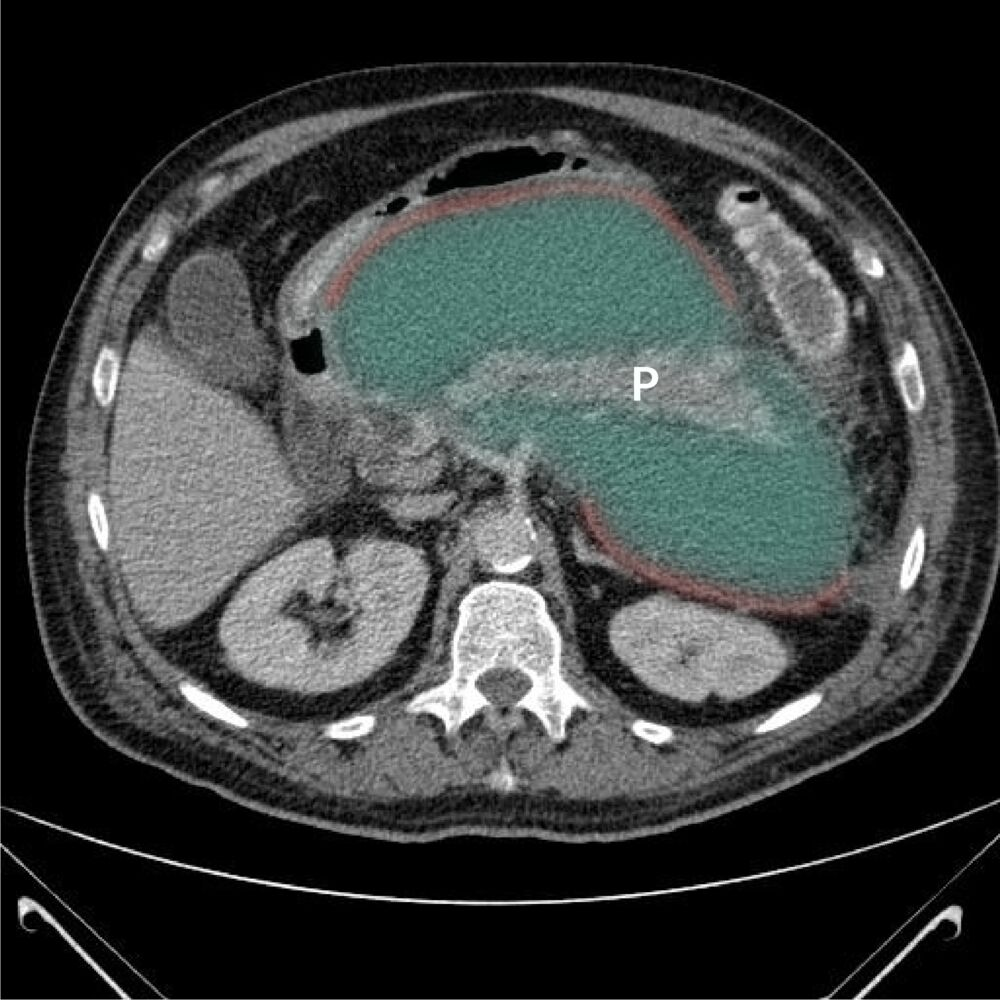
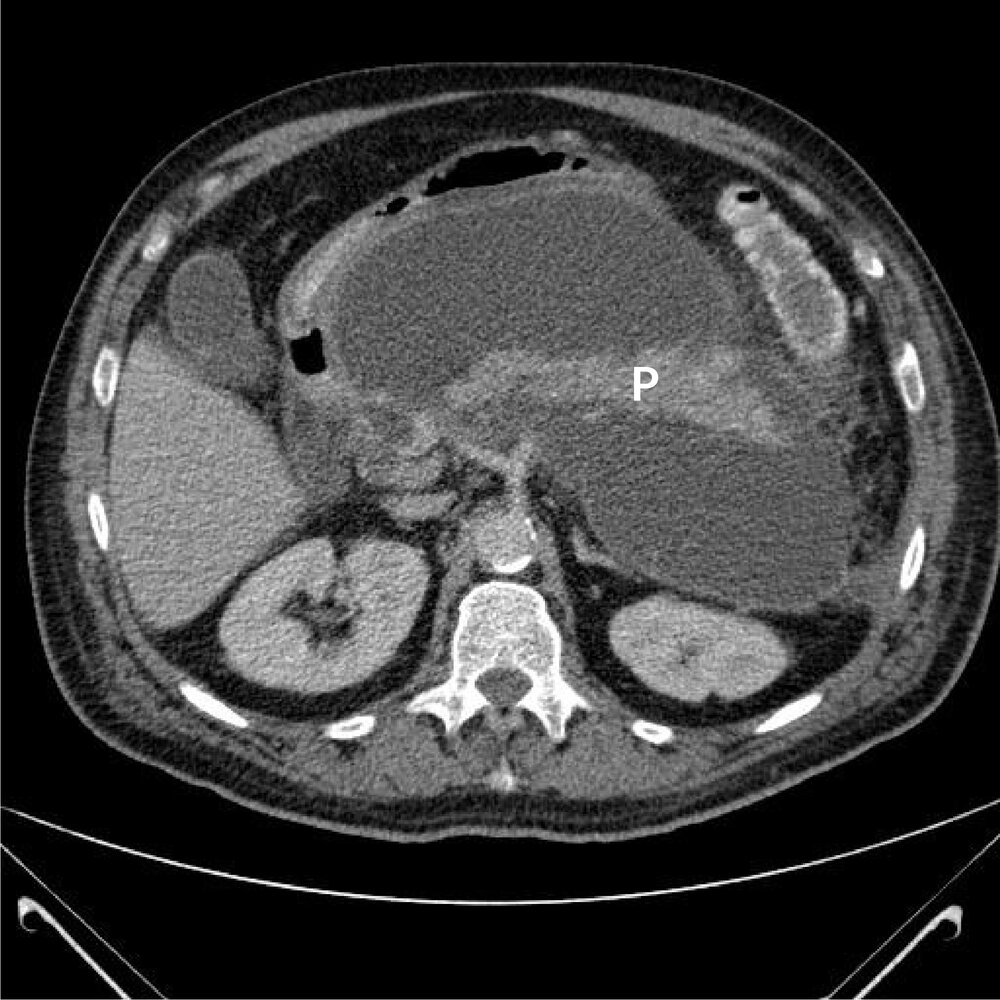
Pancreatic pseudocysts

  • Pathology
    • Fluid collection rich in enzymes (Amylase, Lipase) and necrotic debris.
    • Lined by granulation tissue/fibrosis (NOT epithelium) “Pseudo” cyst. t
    • Most common cystic lesion of pancreas.
  • Etiology
    • Acute Pancreatitis (complication appearing 4–6 weeks post-onset).
    • Chronic Pancreatitis (most common).
    • Trauma.
  • Clinical Features
    • Persistent epigastric pain/mass.
    • Early satiety or N/V (mass effect on stomach/duodenum).
  • Diagnostics
    • CT Scan: Best initial test.
    • Labs: Persistently Serum Amylase weeks after acute episode.
  • Treatment
    • Asymptomatic / < 6 cm: Conservative (Observation); spontaneous resolution common.
    • Symptomatic / > 6 cm / > 6 weeks: Drainage required (Percutaneous, Endoscopic Cystogastrostomy, or Surgical).


Diagnostics

  • Serum pancreatic enzyme levels: Lipase (specific) and amylase (nonspecific) are often normal.
  • Fecal elastase-1 (FE-1): most common test
    • Elastase is derived from a zymogen produced by pancreatic acinar cells and activated by trypsin in the duodenum; levels correlate with pancreatic exocrine activity. Therefore, low fecal elastase can help diagnose pancreatic insufficiency and supports a diagnosis of chronic pancreatitis.
  • Sudan staining (which identifies fecal fat)

Treatment

  • Exocrine Insufficiency (Malabsorption)
    • Pancreatic Enzyme Replacement Therapy (PERT) containing lipase, amylase, and protease.
      • Lipase is irreversibly inactivated at pH < 4.0. So use enteric-coated microspheres (delayed release) or PPI. t
    • Indicated for steatorrhea and weight loss.