Epidemiology


Etiology


  • An obligate intracellular parasite
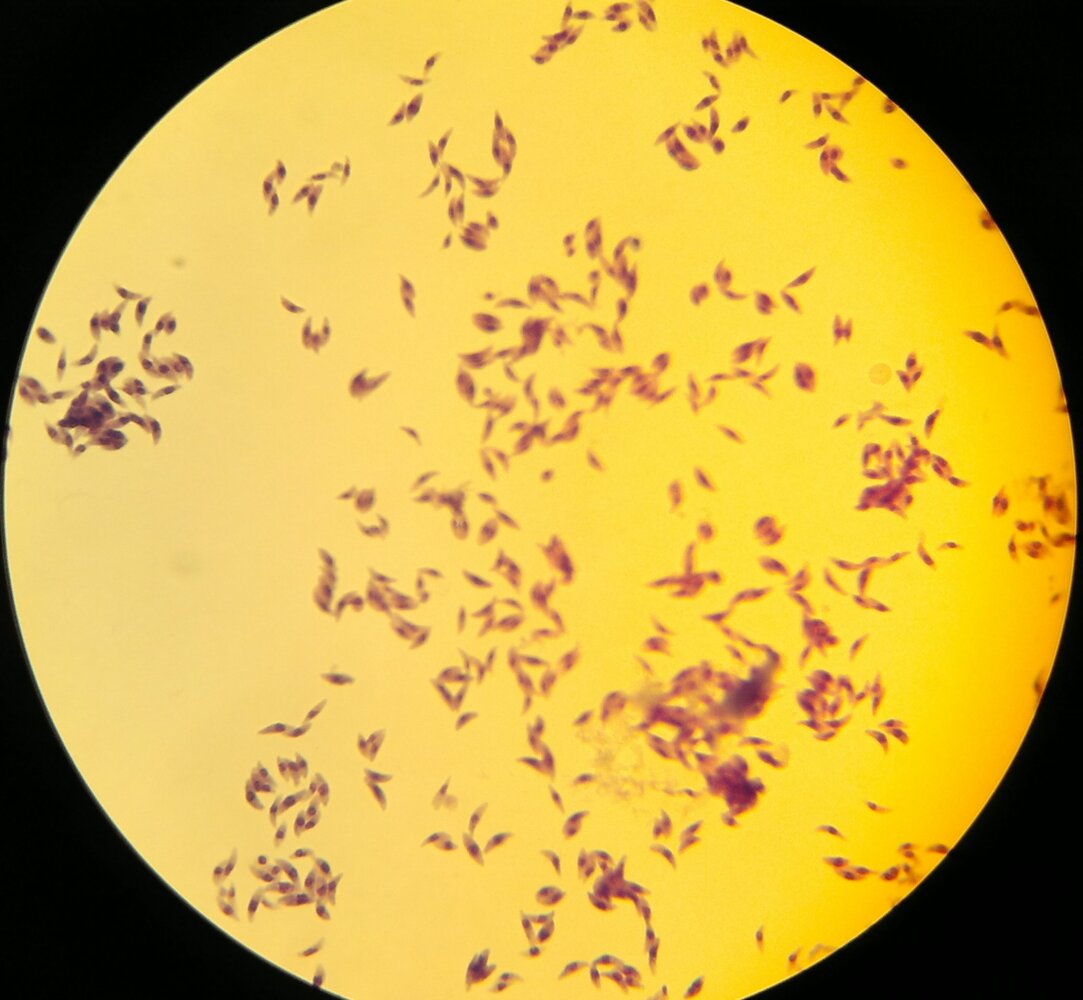
    • Tachyzoite: crescent shape with a tapered anterior end and a large nucleus set centrally
  • Route of transmission
    • Oral ingestion: The oocysts are excreted in the feces of cats (final host) and are orally ingested by other mammals such as humans, hoofed animals, and birds (intermediate hosts). Primary modes of transmission include the following:
      • Cat feces
      • Raw or insufficiently cooked meat (most common)
      • Unpasteurized milk (especially goat milk)
    • Transplacental transmission: see toxoplasmosis in pregnancy
    • Via organ transplantation or blood transfusion

Pathophysiology


Clinical features


  • Immunocompetent Adults:
    • Asymptomatic in ~80-90% of cases.
    • Acute infection: Mononucleosis-like illness (fever, non-tender cervical lymphadenopathy, myalgias, pharyngitis; Heterophile antibody negative).
  • Immunocompromised (HIV w/ CD4 < 100):
    • Reactivation of latent cysts presenting as CNS Toxoplasmosis.
    • Subacute onset of focal neurological deficits (hemiparesis, aphasia), headache, confusion, fever, seizures, and altered mental status.

Diagnostics


  • Imaging: CT or MRI with contrast
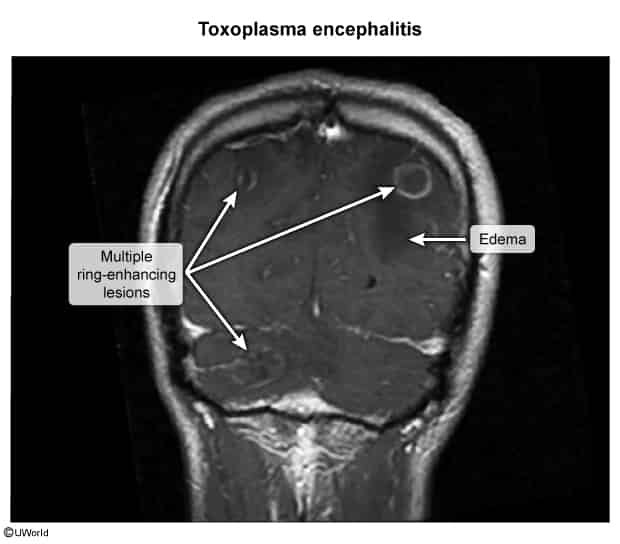
    • Multiple ring-enhancing lesions (brain abscesses)
    • Lesions located predominantly in the basal ganglia and/or the subcortical white matter

Treatment