Epidemiology & Risk Factors
- Prevalence:
- High incidence in infants < 1 year; uncircumcised males < 3 months have the highest overall risk among males.
- Females > 1 year have a significantly higher risk due to a shorter urethra.
- Risk factors:
- Vesicoureteral reflux (VUR): Most common predisposing anatomical abnormality. c
- Posterior urethral valves (PUV): Most common cause of bladder outlet obstruction in newborn males.
- Constipation / Bowel-bladder dysfunction (BBD): Leading cause of recurrent UTI in toilet-trained children due to urinary retention/stasis.
- Urinary tract instrumentation/catheterization.
- Sexual activity (adolescent females).
- Uncircumcised status in infant males.
- Pathogens:
- Escherichia coli (accounts for > 80% of cases).
- Other Gram-negatives: Klebsiella pneumoniae, Proteus mirabilis (associated with alkaline urine and staghorn calculi), Pseudomonas aeruginosa.
- Gram-positives: Enterococcus species, Staphylococcus saprophyticus (sexually active adolescent females).
Diagnosis
- Specimen Collection:
- Non-toilet-trained children: Urethral catheterization or suprapubic aspiration. Do NOT use urine bags for culture due to high contamination rates.
- Toilet-trained children: Midstream clean-catch urine sample.
- Urinalysis (UA) / Screening:
- Leukocyte esterase (indicates pyuria) and Nitrites (indicates Gram-negative conversion of nitrate to nitrite).
- Microscopy: WBCs > 5/hpf, bacteriuria.
- Urine Culture (Gold Standard):
- Confirms diagnosis.
- Catheterized specimen threshold: ≥ 50,000 colony-forming units (CFU)/mL of a single uropathogen.
- Clean-catch specimen threshold: ≥ 100,000 CFU/mL.
- Imaging & Workup:
- Renal and Bladder Ultrasound (RBUS):
- Indications: All children aged 2 to 24 months with a first febrile UTI. c
- Timing: Performed after the acute phase has resolved, unless the child is critically ill or not responding to treatment.
- Voiding Cystourethrogram (VCUG):
- Indications:
- Abnormal RBUS (e.g., hydronephrosis, renal scarring, ureteral dilation, bladder hypertrophy).
- Recurrent febrile UTI (second episode). c
- Atypical/complex UTI (non-E. coli pathogen, septicaemia, poor urine flow).
- Children < 2 months with first febrile UTI.
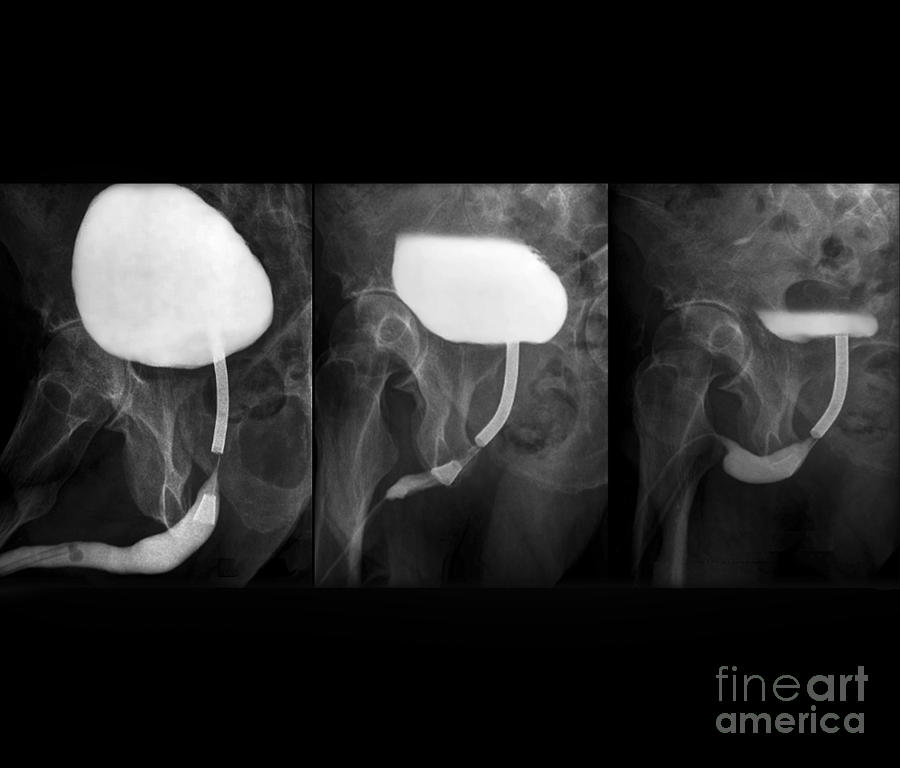
- Indications:
- Dimercaptosuccinic acid (DMSA) renal scan:
- Used to identify active pyelonephritis or renal scarring (performed ≥ 3–6 months post-infection). Not routinely recommended for first UTI.
- Renal and Bladder Ultrasound (RBUS):
Management
Adult vs Children
- Most adult UTIs are uncomplicated cystitis (localized to the bladder) → Nitrofurantoin (concentrate in urine but achieves minimal renal tissue (parenchymal) levels)
- Up to 80% of infants with a febrile UTI have acute pyelonephritis (renal parenchymal involvement) → Ceftriaxone achieves high systemic, renal tissue, and urinary concentrations
- Immediate / Empiric Antibiotic Therapy:
- Must obtain urine culture before starting antibiotics.
- Oral Antibiotics (Stable children):
- First-line: Second- or third-generation cephalosporins (e.g., Cefdinir, Cefixime, Cephalexin). c
- Alternative: Trimethoprim-sulfamethoxazole (TMP-SMX) (avoid in neonates due to risk of kernicterus).
- Duration: 7 to 14 days for febrile UTI; 3 to 5 days for uncomplicated cystitis in older kids.
- Intravenous Antibiotics (Toxic, vomiting, or neonates < 2 months):
- Regimen: Ceftriaxone or Ampicillin + Gentamicin (mandatory for neonates to cover Listeria and Gram-negatives).
- Stepdown to PO once patient is afebrile and clinical improvement is demonstrated (usually 24–48 hours).
- Addressing Underlying Risk Factors:
- Treat constipation (laxatives, dietary fiber) to reduce urinary stasis.
- Encourage frequent voiding and double voiding.
- Vesicoureteral Reflux (VUR) Management:
- Mild/Moderate (Grades I-III): Observational management.
- Severe (Grades IV-V) or Recurrent febrile UTIs: Daily low-dose prophylactic antibiotics (e.g., TMP-SMX or Nitrofurantoin) or surgical correction (ureteral reimplantation/endoscopic deflux injection).