A syndrome of pain in and dysfunction of the TMJ and muscles of mastication
Epidemiology
Etiology
Movement of TMJ
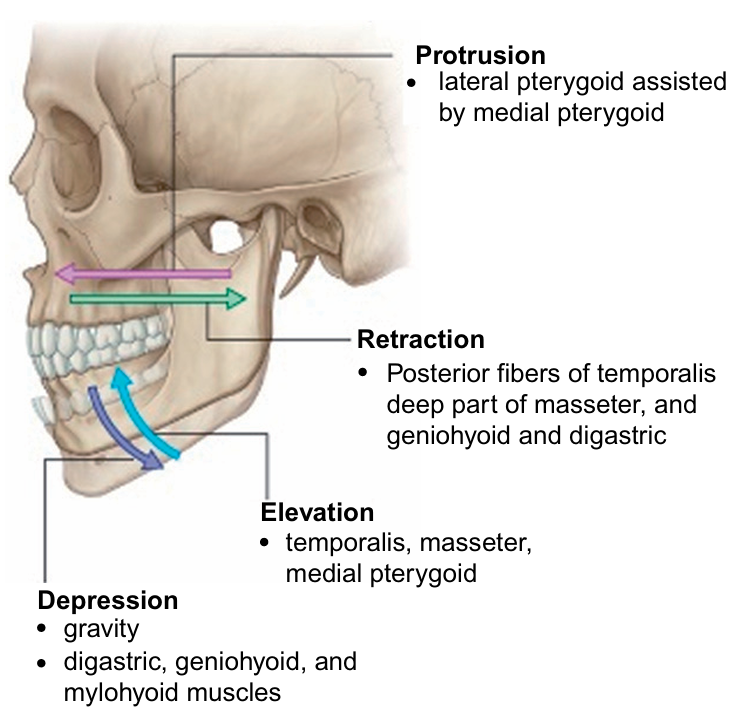
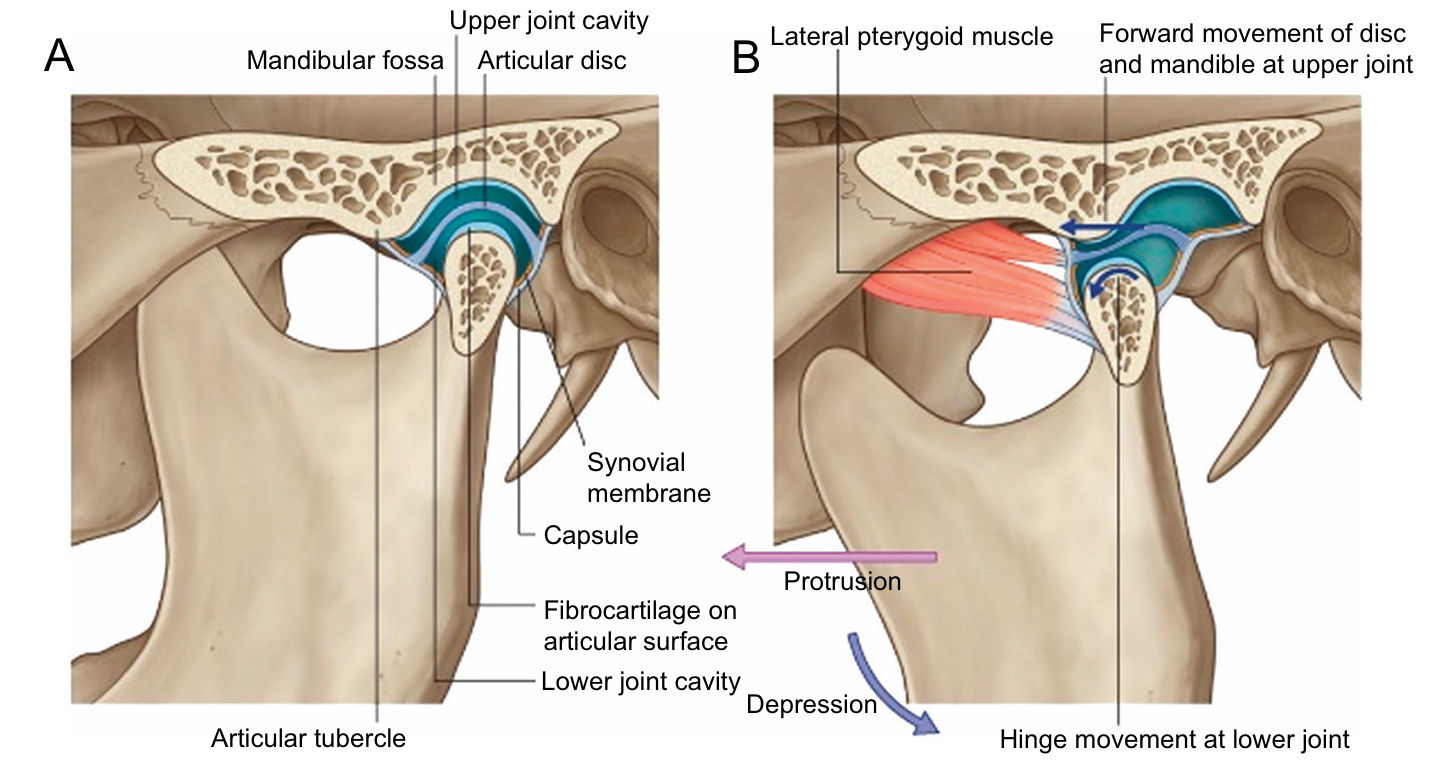 All 4 muscles of mastication are innervated by V3:
- Temporalis – elevation & retraction
- Masseter - elevation
- Medial pterygoid - elevation
- Lateral pterygoid - protrusion
TMJ disorders etiology
The etiology of TMJ disorders (TMDs) is likely multifactorial and involves:
- Behavioral factors: e.g., poor head and/or cervical spine posture, possibly bruxism
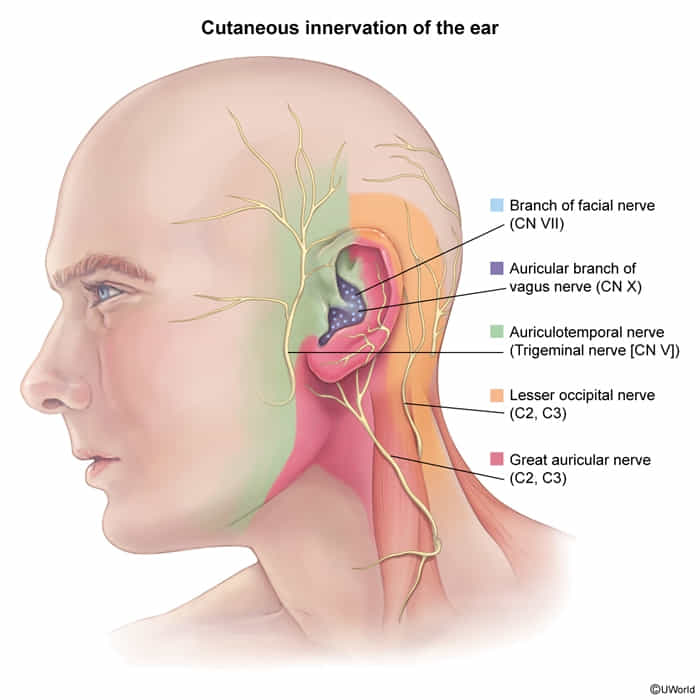
- Hypersensitivity of the mandibular nerve (CN V3).
- Psychological factors: e.g., depression, anxiety, stress
- Trauma to the TMJ: e.g., cervical spine or jaw injuries
Pathophysiology
Clinical features
- History:
- Unilateral or bilateral dull facial/jaw pain, preauricular pain radiating to ear, temple, or neck.
- Symptoms exacerbated by chewing, yawning, or prolonged talking.
- Morning jaw stiffness or fatigue (suggestive of nocturnal bruxism).
- Ear-related complaints: Otalgia, tinnitus, ear fullness with an otherwise normal otoscopic exam. c
- Physical Examination:
- Tenderness on palpation over the TMJ capsule (anterior to the tragus) and muscles of mastication (masseter, temporalis, pterygoids).
- Joint clicking, popping, or crepitus with jaw opening or closing.
- Restricted jaw excursion (interincisal opening <40 mm) or abnormal jaw deviation/locking upon opening.
- Dental attrition/flattened incisal surfaces (evidence of chronic bruxism).
Diagnostics
Treatment
<% tp.file.cursor() %>