Epidemiology
- Org: Sporothrix schenckii (thermally dimorphic fungus).
- Transmission: Traumatic cutaneous inoculation from soil, plants, or decaying vegetation.
- Risk Groups:
- “Rose-gardener’s” disease: Gardeners, florists, landscapers, farmers, moss/hay handlers.
- Contact w/ infected animals (especially felines/cats via bites or scratches).
- Subpopulations: Immunocompromised (e.g., HIV/AIDS, alcohol use disorder) w/ risk for disseminated disease.
Etiology
Pathophysiology
Clinical features
- Lymphocutaneous Sporotrichosis (Most common presentation, ~75%):
- Primary lesion: Small, painless red papule/nodule at site of inoculation weeks after exposure.
- Lesion breaks down to form an painless or mildly tender ulcer w/ erythematous border. c
- Nodular lymphangitis: Subcutaneous secondary nodules form sequentially along lymphatic drainage pathway (proximal lymphatic spread).
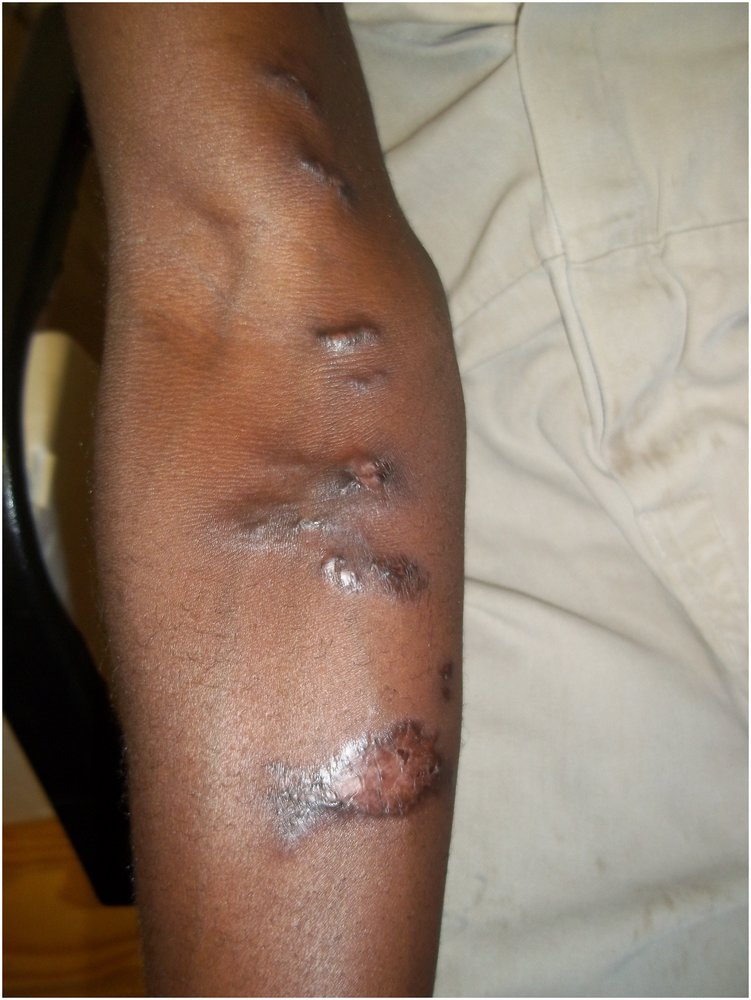
- Fixed Cutaneous: Single ulcerated nodule at inoculation site without lymphatic spread (occurs in previously sensitized pts).
- Disseminated / Extracutaneous:
- Seen in immunocompromised hosts.
- Osteoarticular (tenosynovitis, septic arthritis), pulmonary (inhalation w/ cavitary lesions), or CNS involvement.
Diagnostics
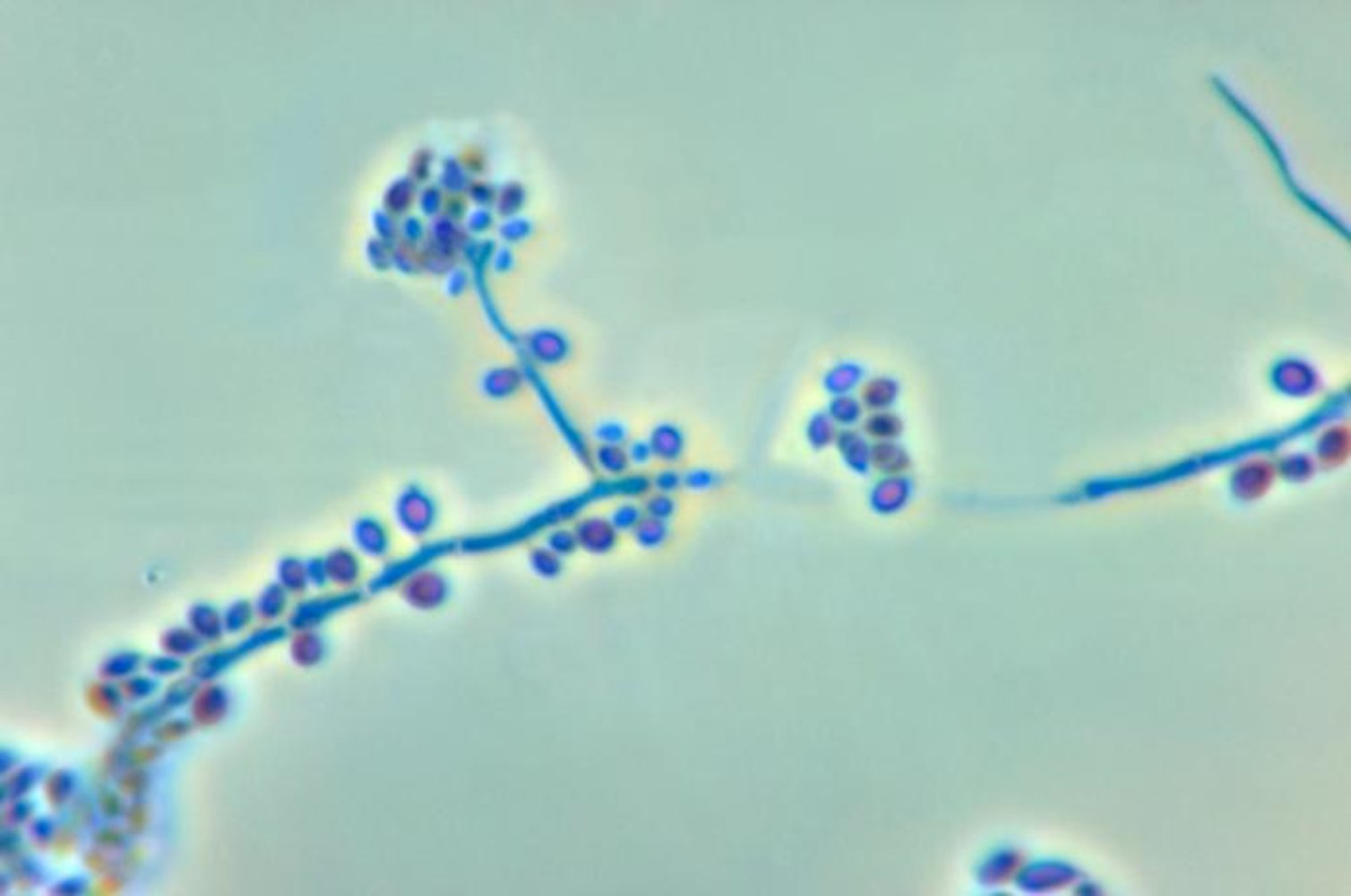
- Fungal culture (sputum, pus, biopsy tissue) showing dimorphic, cigar-shaped yeast (this form exists in humans)
- Cigar-shaped yeast with narrow-based budding at 37 C (98.6 F)
Treatment